Blog
Property Tax Appeal & Real Estate Insights
Property Tax Appeal & Real Estate Insights
Clear, current guidance on Cook County appeals, commercial valuation, and Chicagoland real estate decisions.

Taxes
Proviso Township 2026 Reassessment: What to Check Before October 27
Proviso Township's 2026 Cook County reassessment appeal window opened September 14 and closes October 27. Owners should check the new notice against the property's actual characteristics and assemble a specific valuation argument before filing.
Taxes
Proviso Township 2026 Reassessment: What to Check Before October 27
Proviso Township's 2026 Cook County reassessment appeal window opened September 14 and closes October 27. Owners should check the new notice against the property's actual characteristics and assemble a specific valuation argument before filing.
Taxes
Proviso Township 2026 Reassessment: What to Check Before October 27
Proviso Township's 2026 Cook County reassessment appeal window opened September 14 and closes October 27. Owners should check the new notice against the property's actual characteristics and assemble a specific valuation argument before filing.
Taxes
Proviso Township 2026 Reassessment: What to Check Before October 27
Proviso Township's 2026 Cook County reassessment appeal window opened September 14 and closes October 27. Owners should check the new notice against the property's actual characteristics and assemble a specific valuation argument before filing.

Taxes
Board of Review Group 2: The October 9 Evidence Deadline After Filing
For 2026 Board of Review Group 2, the complaint deadline is September 29 and the evidence-submission deadline is October 9. Those are separate dates: extra time for evidence does not extend the time to file a complaint.

Taxes
Is a Cook County Home Value Report the Same as Appeal Comparables?
No. The Cook County Assessor's Home Value Report explains a home's modeled value and significant sales, but the office says it is not the comparables tool used to review residential appeal filings. Cook Viewer serves the separate task of researching comparable parcels.

Taxes
How to Read Worth Township's 2026 Commercial Valuation Worksheet
Worth Township's 2026 commercial methodology worksheet shows the Cook County Assessor's initial valuation inputs for income-producing parcels. It is a starting point for testing use, income, vacancy, expenses, and capitalization assumptions—not a final appeal result.

Taxes
Wheeling Township Property Tax Appeals Are Open Through October 22, 2026
The Cook County Assessor opened Wheeling Township for 2026 assessment appeals on September 9. The filing deadline is Thursday, October 22, 2026, and the appeal and supporting materials should be submitted before that hard deadline.

Taxes
Can a Tenant File a Cook County Property Tax Appeal?
A Cook County tenant may be able to file an Assessor appeal when the tenant is liable for the property's taxes. The 2026 appeal form recognizes a tax-liable tenant as a filer status, but an ordinary occupant should not assume that a lease alone creates the right to appeal.

Taxes
What Photographs Should You Submit With a Cook County Residential Appeal?
Useful appeal photographs are clear, in color, recent, and tied to a specific fact about the property. Cook County's 2026 rules generally require submitted photos to be date-stamped within one year of the January 1 lien date, or supported by an attestation stating when they were taken.

Taxes
Can You Submit Cook County Assessor Appeal Evidence After the Deadline?
Usually no. The Cook County Assessor's 2026 rules call each township closing date a hard deadline and say appeals and supporting documentation must be filed by that date. A narrow exception applies when a documented Assessor computer-system error prevented timely filing.

Taxes
Worth and Leyden Property Tax Appeals: 2026 Deadlines
Cook County Assessor appeals are open in Leyden Township through October 14, 2026, and in Worth Township through October 15, 2026. Owners should confirm the property's township and submit the appeal with its supporting evidence by the correct deadline.

Taxes
Do You Need to Attend a Cook County Board of Review Hearing?
No. A Cook County Board of Review hearing is not mandatory, and the Board says taxpayers are not penalized for waiving one. The written complaint and timely evidence still need to make the case because the same analytical process applies with or without a hearing.

Taxes
Can a Wrong Property Classification Support a Cook County Appeal?
Yes. If Cook County records place a property in the wrong classification, the owner can request a class change and support it with evidence of the property's actual use and characteristics. The 2026 Assessor rules require the request to be stated clearly rather than buried inside a general valuation argument.

Taxes
How Does Cook County's 2026 Loaded Cap Rate Affect Commercial Appeals?
For 2026, the Cook County Assessor says it is using a loaded capitalization rate for commercial property. Real estate taxes are excluded from operating expenses and added instead as a tax load to the market capitalization rate, so owners must present income and expenses on the same basis before comparing values.

Taxes
How Should Deferred Maintenance Be Documented in a Cook County Commercial Appeal?
Deferred maintenance is useful appeal evidence only when it is specific, dated, and connected to the property’s market value as of the relevant January 1 valuation date. A repair list by itself does not prove an assessment is too high.

Taxes
What Comparables Work Best for a Cook County Condo Property Tax Appeal?
For a Cook County condominium appeal, recent arm’s-length sales in the same building are usually the best starting point. If there are no useful in-building sales, the comparison should move outward carefully to genuinely similar units.

Taxes
Can You File a Cook County Board of Review Appeal After an Assessor Appeal?
Yes. A Cook County property owner can generally file with the Board of Review after the Assessor stage because the two offices provide separate levels of assessment review with separate township calendars.

Taxes
Cook County Board of Review Appeals Open August 31 for Six Townships
The Cook County Board of Review opened 2026 assessment appeals on August 31 for Berwyn, Cicero, Elk Grove, Lakeview, Maine, and Palos Townships. The filing window closes September 29, 2026.

Taxes
Lemont and Calumet Property Tax Appeal Deadlines for 2026
Cook County Assessor appeals are open in Lemont Township through September 29 and Calumet Township through October 2, 2026. Property owners should verify the PIN, assessment, property description, and evidence before the applicable deadline.

Taxes
How Long Does a Property Tax Appeal Reduction Last in Illinois?
An Illinois property-tax appeal reduction is tied to a particular assessment year. It may influence later assessments, but owners should not assume the same value or savings will automatically continue every year.

Taxes
What Does the January 1 Valuation Date Mean for an Illinois Tax Appeal?
Illinois property-tax appeals generally ask what the property was worth and how it should have been assessed as of January 1 of the assessment year. Evidence from another date can still help, but it should be connected clearly to that valuation date.

Taxes
What Evidence Supports an Owner-Occupied Commercial Tax Appeal?
An owner-occupied commercial property can be appealed even when there is no third-party lease or rent roll. The evidence should explain the real estate itself, its use and condition, and the market basis for the requested value.

Taxes
Lake County Property Tax Appeals: What to File Before Your Deadline
Lake County assessment appeals are open in eight townships, with two more township windows opening August 20. The filing deadline depends on where the property is located, and evidence generally must be submitted with the appeal rather than added later.

Taxes
Can a Property Record Error Support a Tax Appeal?
An incorrect property record can support an assessment appeal when the recorded fact is wrong and the error affects the property's valuation or comparison with similar parcels. The best filing proves the correct fact and explains why it matters.

Taxes
Do You Need a Lawyer for a Cook County Property Tax Appeal?
Cook County owners can generally file a property tax appeal themselves, but representation may help when the valuation, evidence, ownership structure, or review stage is complex.

Taxes
When Does a Commercial Property Tax Appeal Need an Appraisal?
A commercial property tax appeal may need an appraisal when the value issue is material, the property is unusual, income evidence requires market adjustments, or local rules make an independent valuation opinion the clearest support. Not every appeal requires one.

Taxes
Evanston Property Taxes: How to Appeal a Home, Condo, or Commercial Assessment
Evanston property owners can appeal an assessment that appears too high or unfair. The deadline, evidence, and best approach depend on the property and the Cook County office currently accepting appeals.

Taxes
Naperville Property Tax Appeals: Which County, Township, and Deadline Apply?
Naperville property tax appeals are handled differently depending on whether the parcel is in DuPage or Will County. Confirming the county and township is the first step toward finding the right deadline and filing office.

Taxes
Oak Brook Property Taxes: Why You Still Get a Bill and How to Appeal an Assessment
Oak Brook does not impose a Village real estate tax levy, but property owners still receive bills from other taxing bodies. An appeal can address the property's assessed value when that value appears inaccurate or unfair.

Taxes
Will County Property Tax Appeals Open August 12: Deadline and Filing Guide
Will County's 2026 Board of Review filing window opens August 12 and closes September 14. Owners should confirm the parcel record, choose a supportable appeal theory, and upload complete evidence before the portal closes.

Taxes
Can Flood Damage Lower a Cook County Property Assessment?
Substantial flood damage that adversely affects a Cook County property's value may support an assessment reduction. Ordinary seepage, roof leaks, damaged furniture, and other personal-property losses are not treated the same way.

Taxes
How Leases and Rent Rolls Support a Commercial Property Tax Appeal
Leases and rent rolls can support a commercial assessment appeal when they accurately explain rent, occupancy, concessions, reimbursements, and the property's market position. They are most persuasive when they reconcile with operating records and are tied to the relevant valuation date.

Taxes
Assessed Value vs. Property Tax Bill: What an Appeal Can Change
An assessment appeal asks a reviewing agency to correct assessed value. The final property tax bill also depends on equalization, exemptions, rates, and levies, so an assessment reduction does not guarantee the same percentage reduction in the bill.

Taxes
Elk Grove Township Property Tax Appeals Close August 4: Last-Day Filing Guide
Elk Grove Township’s 2026 Cook County Assessor appeal window closes August 4. Property owners who may be overassessed should confirm eligibility, gather the strongest available evidence, and submit through the official process before the window ends.

Taxes
How to Tell Whether Your Cook County Property Assessment Is Too High
A high tax bill does not by itself prove that a property is overassessed. The better test is whether the assessed value is based on incorrect facts, exceeds a supportable market value, or is materially higher than comparable properties assessed on the same basis.

Taxes
What Makes a Good Comparable Property for a Residential Tax Appeal?
A good comparable is not merely a nearby home with a lower assessment. It should be similar in location, property type, size, age, construction, condition, lot, and amenities, with any important differences explained consistently.

Taxes
Income, Vacancy, and Expense Evidence for Commercial Property Tax Appeals
For income-producing commercial property, a persuasive tax appeal often depends on a complete and explainable operating record. Rent, occupancy, concessions, collection loss, and normalized expenses should reconcile before they are used to support a valuation position.

Legal
Illinois Land Trusts: How Chicago Real Estate Investors Use Them and When They Make Sense
An Illinois land trust holds title to real estate while keeping the owner's name off public records. Here is how Chicago investors use them, what they do and do not protect, and when to pair one with an LLC.
Legal
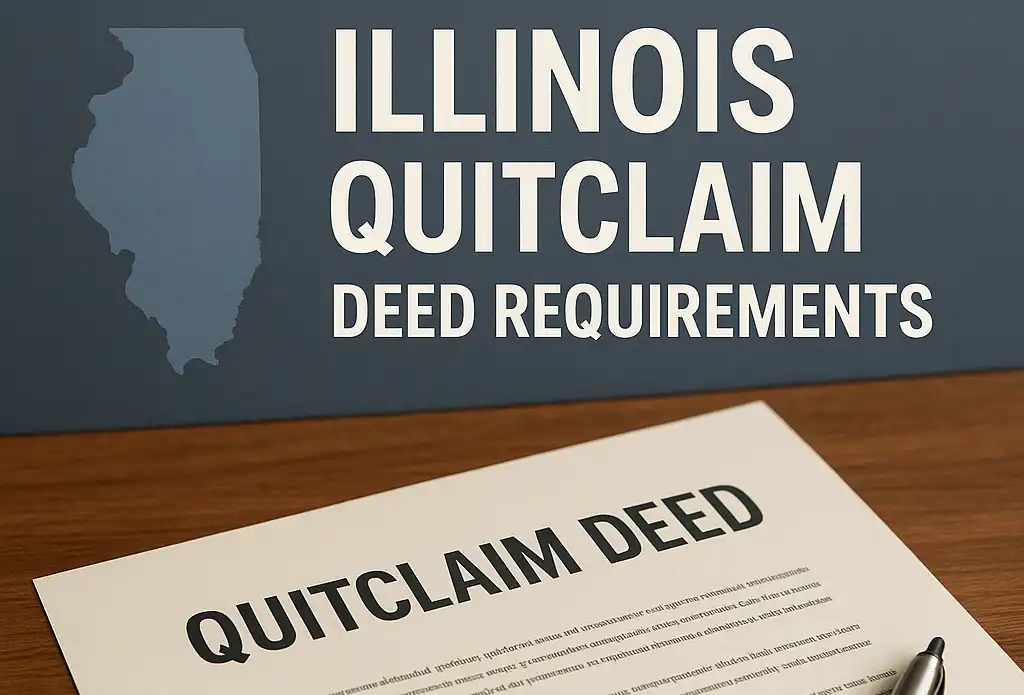
Quitclaim Deed vs. Warranty Deed in Illinois: Which One You Actually Need and When
A quitclaim deed transfers whatever interest the grantor has, with no guarantees. A warranty deed guarantees clear title. Here is when each one is appropriate in Illinois real estate transactions.

Legal
Wholesale Real Estate Contracts in Illinois: Licensing, Assignments, and How to Protect Your Deal
Wholesaling real estate in Illinois now requires licensing in most cases and strict disclosure of the assignment. Here is what Chicago wholesalers and end-buyers need to know to protect their deals.

Legal
Earnest Money Disputes in Illinois: Who Keeps the Money When a Deal Falls Apart
When an Illinois real estate deal collapses, who keeps the earnest money depends on the contract, the attorney review period, and the specific contingency that failed. Here is how the disputes actually play out.

Legal
Title Defects and Title Insurance Claims in Illinois: What Chicago Property Owners Need to Know
A title defect is anything that impairs clear ownership of Illinois real estate. Here is how to identify defects before closing, when title insurance covers them, and what to do if one surfaces years later.

Business
Chicago Zoning for Real Estate Investors: What the Code Actually Lets You Do With Your Property
Chicago zoning determines what you can legally build, rent, or convert on any property you own. Here is how the city's zoning code works, what the common classifications actually allow, and when to pursue a variance.

Taxes
Cook County Property Tax Incentive Classifications: How Class 6b, 7a, 7b, and 8 Actually Work
Cook County's Class 6b, 7a, 7b, and 8 property tax incentives can reduce assessed value for qualifying industrial and commercial properties by more than half. Here is how each one works and who qualifies.

Taxes
Property Tax Prorations at Closing in Illinois: How the Credit Is Calculated and Why It Matters
Illinois property taxes are paid a year in arrears, which makes closing prorations a complex negotiation. Here is how prorations work, how the 105 percent multiplier is used, and where sellers and buyers commonly disagree.

Taxes
Vacancy Relief and Property Tax Appeals for Vacant Commercial Buildings in Cook County
Cook County offers vacancy relief that reduces the assessed value of commercial buildings that are unoccupied or underused. Here is how to qualify, how to document the vacancy, and how to coordinate with an appeal.

Taxes
Berwyn and Cicero Property Tax Appeals: A Guide for West Suburban Homeowners
Berwyn and Cicero carry some of the highest effective property tax rates in Cook County. Here is how the appeal process works in Berwyn and Cicero townships, when the deadlines fall, and what evidence actually wins.

Taxes
Oak Park Property Taxes: Why They Are So High and How to Appeal Your Assessment
Oak Park has among the highest effective property tax rates in the Chicago area. Here is why, how the Oak Park Township appeal process works, and what homeowners can do to keep their assessments fair.

Taxes
Cicero, Stickney, and Lyons Township Commercial and Industrial Property Tax Appeals
The industrial corridors of Cicero, Stickney, and Lyons townships carry heavy commercial assessments. Here is how owners of warehouse, manufacturing, and commercial property appeal in these west Cook County townships.
Taxes
Orland Park and Tinley Park Property Tax Appeals: Filing Through Orland and Bremen Townships
Orland Park and Tinley Park homeowners can appeal their Cook County assessments through Orland and Bremen townships. Here is how the process works in the southwest suburbs and when the deadlines fall.
Taxes
Oak Lawn and Evergreen Park Property Tax Appeals Through Worth Township
Oak Lawn and Evergreen Park homeowners appeal their Cook County assessments through Worth Township. Here is how the process works, when the window opens, and what evidence supports a reduction.
Taxes
Palos Heights, Palos Hills, and Palos Park Property Tax Appeals Through Palos Township
Palos Heights, Palos Hills, and Palos Park homeowners appeal through Palos Township in Cook County. Here is how the process works, what makes these properties distinct, and when to file.
Taxes
La Grange and Western Springs Property Tax Appeals Through Lyons Township
La Grange and Western Springs homeowners appeal through Lyons Township in Cook County. Here is how the process works for these higher-value west suburban homes and when the window opens.
Taxes
Riverside and Brookfield Property Tax Appeals: Historic Homes and the Valuation Question
Riverside and Brookfield homeowners appeal through Riverside and Proviso townships in Cook County. Here is how the process works, including the special valuation issues in historic Riverside.
Taxes
Chicago Bungalow Belt Property Tax Appeals: Why Uniformity Arguments Win on the Northwest and Southwest Sides
Chicago's bungalow belt on the Northwest and Southwest Sides is full of similar homes assessed unevenly. Here is how bungalow owners appeal their City of Chicago assessments and why uniformity arguments work so well.
Taxes
Chicago Two-Flat and Three-Flat Property Tax Appeals: Combining Uniformity and Income
Chicago two-flats and three-flats are assessed as residential but generate rental income, which creates specific appeal opportunities. Here is how owners of small multi-unit buildings appeal their City of Chicago assessments.
Taxes
South Side Chicago Condo and Small Multi-Unit Property Tax Appeals
South Side Chicago condo owners and small multi-unit owners can appeal their Cook County assessments individually or as an association. Here is how condo appeals work in the city and why coordinating helps.

Taxes
Chicago Commercial Corridor and Mixed-Use Property Tax Appeals
Chicago's commercial corridors are lined with mixed-use buildings that combine ground-floor retail with apartments above. Here is how owners of these properties appeal their Cook County assessments.
Taxes
How the Cook County Equalization Factor (the State Multiplier) Works
The Cook County equalization factor, or state multiplier, converts your assessed value into the equalized assessed value that your tax bill is based on. Here is what it is, why it exists, and how it affects what you pay.
Taxes
Reading Your Cook County Second-Installment Property Tax Bill Line by Line
Your Cook County second-installment tax bill contains your assessed value, the equalized value, exemptions, taxing districts, and rates. Here is how to read each line and spot what you can challenge.

Taxes
Lack of Uniformity vs. Overvaluation: The Two Ways to Win a Cook County Property Tax Appeal
Cook County property tax appeals succeed on one of two legal theories: lack of uniformity or overvaluation. Here is what each one means, what evidence each requires, and when to use which.

Taxes
Why Your Purchase Price Can Raise Your Property Tax Assessment in Cook County
In Cook County, a recent purchase price can be used both to lower and to raise your assessment. Here is how the Assessor treats sale prices and how new owners should respond to protect themselves.
Taxes
New Construction and the Occupancy Reassessment Trap in Cook County
New construction in Cook County is reassessed based on occupancy, and the first full-year bill often shocks owners. Here is how the occupancy reassessment works and how to keep a new home's assessment accurate.

Taxes
The Senior Assessment Freeze Exemption in Cook County: Who Qualifies and Why It Is So Often Missed
The Senior Assessment Freeze Exemption can lock in a Cook County senior homeowner's equalized assessed value, protecting against rising assessments. Here is who qualifies, how it works, and why it is so often missed.

Taxes
Buying at the Cook County Annual Tax Sale and the Redemption Process
The Cook County annual tax sale sells delinquent property taxes to buyers, and owners can redeem before losing the property. Here is how the sale works, how redemption works, and the risks on both sides.
Taxes
Tax Deeds in Cook County: How They Work and How Owners Lose Property
A tax deed transfers ownership of a Cook County property to a tax buyer after an owner fails to redeem delinquent taxes. Here is how the tax deed process works and how owners can protect themselves.

Taxes
What Happens After You Win a Cook County Property Tax Appeal? Refunds, Timelines, and Next Steps
You won your Cook County property tax appeal. Now what? Understanding how reductions translate into actual savings, when you will see the impact on your tax bill, and what to do next is essential for maximizing the value of your appeal.
Business
Property Tax Planning for Real Estate Investors Buying in Cook County
If you are buying investment property in Cook County, property tax analysis should be a core part of your due diligence. The difference between a well-managed tax position and a neglected one can mean tens of thousands of dollars in annual cash flow.

Business
Office Building Property Taxes in Post-Pandemic Chicago: Why Now Is the Time to Appeal
Chicago office buildings have experienced dramatic valuation declines since 2020 as remote and hybrid work permanently reduced demand. If your office property assessment has not been adjusted accordingly, you may be significantly overpaying.

Taxes
Condo Association Property Tax Appeals: How Board Presidents Can Lower Taxes for Every Unit Owner
Condo associations in Cook County have a unique opportunity to file property tax appeals on behalf of every unit owner in the building. If your association has never filed, your owners may be overpaying by thousands collectively.
Business
Retail Property Tax Appeals in Chicago: Strategies for Shopping Center and Storefront Owners
Retail property owners in Cook County face unique property tax challenges driven by shifting consumer behavior, rising vacancy, and changing neighborhood dynamics. Here is how to build a winning tax appeal for your retail property.

Business
How Property Tax Appeals Improve Commercial Real Estate Investment Returns in Chicago
For commercial real estate investors in Chicago, property tax appeals are not just about saving money on a single bill. They directly affect net operating income, cap rates, and the overall value of your investment.

Legal
The Illinois Property Tax Appeal Board (PTAB): When to Take Your Appeal to the State Level
If the Cook County Board of Review denied your property tax appeal or granted an insufficient reduction, the Illinois Property Tax Appeal Board offers a powerful state-level remedy. Here is when and how to use it.
Taxes
Cook County Property Tax Exemptions You Might Be Missing: Homeowner, Senior, and Veteran Benefits
Thousands of Cook County homeowners are overpaying on property taxes simply because they are not receiving exemptions they qualify for. Here is a complete guide to every major exemption available and how to make sure you are not leaving money on the table.

Taxes
How the Cook County Board of Review Property Tax Appeal Process Works
The Cook County Board of Review is an independent agency that provides property owners a second opportunity to challenge their assessments. Understanding how the BOR process works can significantly improve your chances of a successful appeal.

Business
Industrial Property Tax Appeals in Cook County: What Warehouse and Manufacturing Owners Should Know
Industrial properties in Cook County face unique assessment challenges. If you own a warehouse, manufacturing facility, or distribution center, understanding how assessors value industrial real estate is critical to ensuring you are not overpaying.

Taxes
Why Chicago Landlords Should Appeal Property Taxes on Every Rental Property Every Year
If you own rental properties in Cook County and are not filing annual property tax appeals on every building in your portfolio, you are leaving money on the table. Here is why annual appeals should be a non-negotiable part of your investment strategy.
Taxes
Certificates of Error in Cook County: How to Recover Overpaid Property Taxes
Most Cook County property owners know about the annual appeal process. Far fewer know about Certificates of Error, a separate mechanism that can correct assessment mistakes and potentially recover taxes you have already paid.
Taxes
Cook County 2025 Triennial Reassessment: What North Suburban Property Owners Need to Know
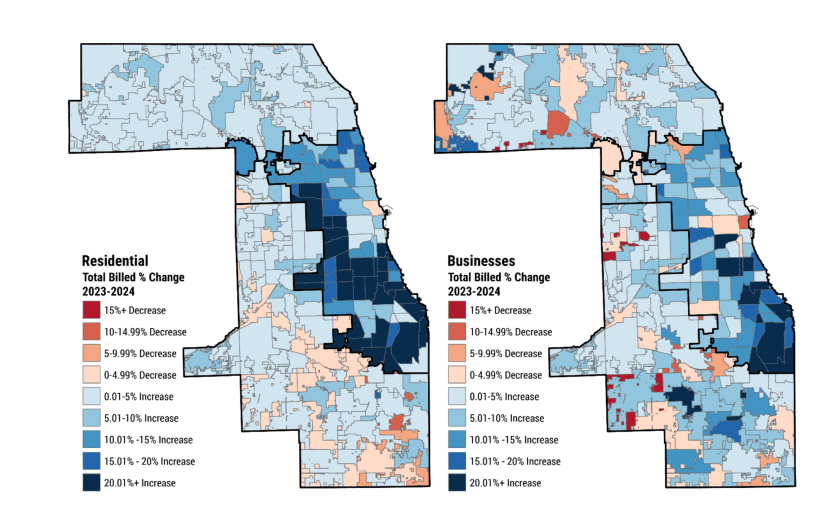
The 2025 triennial reassessment of Cook County's north suburban townships is complete, and the numbers are striking. Assessments across northern Cook County grew between 18 and 40 percent on average. Here is what that means for your property taxes.
Taxes
Property Tax Appeals for Apartment Building Owners in Cook County: A Complete Guide
For apartment building owners in Cook County, property taxes are typically the second-largest operating expense after mortgage payments. If you own a multi-unit building and have never appealed your assessment, you are almost certainly overpaying.
Business
How Commercial Property Owners Can Save Thousands with Cook County Tax Appeals
Commercial property taxes in Cook County rank among the highest in the nation. Yet many business owners never challenge their assessments, leaving tens of thousands of dollars on the table every year.
Taxes
Federal Judge Rules Cook County Property Tax Foreclosures Unconstitutional: What Real Estate Professionals Need to Know
A federal court just upended Cook County's property tax sale system—and real estate attorneys, agents, and investors need to understand what this means for their clients and deals.

Taxes
Cook County Reopens Property Tax Appeals for ALL Townships Through December 12
Your property taxes may have doubled. The county just gave you a second chance to fight back.
Legal
Cook County Property Tax Spike 2025: What Real Estate Professionals Need to Know
Chicago homeowners just received the largest property tax increase in 30 years. If you work in real estate, this isn't just news—it's a client retention opportunity hiding in plain sight.

Legal
How Top Agents Use Their Attorney Relationship as a Client Experience Advantage
The purpose of a strong agent–attorney relationship is not to blur roles. Rather, it is to ensure that each professional’s expertise is introduced at the correct moment, in the correct tone, with the correct expectations. That sequencing shapes the entire client experience.

Business
Avoiding Deal Killers: 5 Legal Red Flags to Spot Early in Chicago & Suburban Transactions
A real estate transaction rarely falls apart because of one dramatic discovery. More often, the deal begins to fracture because of smaller issues that were noticed too late, misunderstood, or left unaddressed until the negotiation leverage was gone. The most effective agents are those who can identify potential legal complications early enough that the attorney can intervene calmly, rather than urgently. This is not about diagnosing or resolving legal issues. It is about developing the awareness to recognize where deals historically tend to weaken.

Legal
The 7 Contract Clauses Every Chicago Real Estate Agent Should Understand Before Submitting an Offer
Most deals do not fall apart because of something dramatic. They fall apart because someone was surprised. The more you understand the structure and implications of the contract itself, the less your clients will feel blindsided as the transaction progresses.

Legal
When Do You Need a Real Estate Lawyer vs. a Real Estate Agent? A Guide for Chicago and Southwest Suburban Homebuyers
Buying or selling property in Chicago, Orland Park, Tinley Park, or other Chicagoland communities can feel overwhelming. You've probably heard you need a real estate agent, but when do you actually need a real estate attorney? Understanding the distinct roles of these professionals can save you time, money, and potential legal headaches.
Business
Archived Guide: Property Tax Appeal Deadlines Outside Cook County
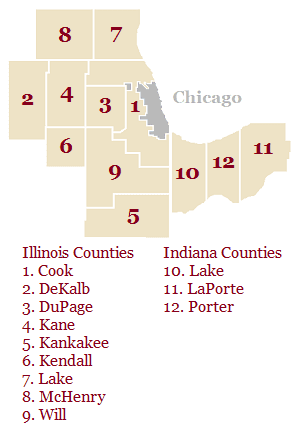
Property tax bills arrived higher than expected this year? You're not alone. Homeowners across DuPage, Will, Cook, and Kane counties face the same frustration, but many miss their chance to challenge these assessments because they don't know the specific deadlines for their county.

Business
Chicago Commercial Property Tax Too High? How to Challenge Your Assessment
Chicago commercial property owners face some of the highest property tax rates in the nation. If your business received a property tax bill that seems excessive compared to your building's actual value, you're not alone. Thousands of Chicago commercial property owners successfully reduce their tax burden each year by challenging their assessments.

Business
When Should You Start Estate Planning: A Chicagoan Guide 2025
Most Chicago residents assume estate planning is something they'll tackle "someday" – usually when they're older, wealthier, or facing a health crisis. This mindset costs families thousands of dollars and creates unnecessary legal complications every year across Cook County and the greater Chicago metropolitan area.

Legal
Closing Costs in Chicago Suburbs: What Homebuyers Need to Know
Buying a home in Orland Park, Tinley Park, Oak Lawn, or another Chicago suburb? Those closing costs can catch you off guard if you're not prepared. Most homebuyers in the southwest Chicago suburbs face closing costs between 2-5% of their home's purchase price, but the exact amount depends on several factors specific to Cook County and Will County transactions.

Legal
Complete Guide to Buying Commercial Property in Chicago and Southwest Suburbs: Legal Essentials Every Investor Should Know
Purchasing commercial real estate in Chicago and the Southwest suburbs represents one of the most significant investments you'll make in your business career. Whether you're eyeing a retail space in Oak Lawn, an office building in Orland Park, or a warehouse in Joliet, understanding the legal complexities of commercial property transactions can save you thousands of dollars and prevent costly mistakes.

Legal
Essential Things to Know Before Buying a Home in Chicago's Southwest Suburbs
Purchasing a home in Chicago's desirable southwest suburbs like Palos Heights, Orland Park, Hinsdale, Oak Brook, Willowbrook, and Bridgeview represents one of life's most significant investments. Whether you're a first-time homebuyer or an experienced property owner, understanding the legal complexities of real estate transactions can save you thousands of dollars and prevent costly mistakes down the road.

Legal
Real Estate Closing Process in Illinois: Complete Buyer's Timeline
Navigating the real estate closing process in Illinois can feel overwhelming, especially for first-time homebuyers in Chicago's suburbs like Palos Heights, Orland Park, Hinsdale, and Oak Brook. Understanding each step of the Illinois home closing timeline helps you prepare for what's ahead and avoid costly delays that could jeopardize your purchase.
Taxes
Property Tax Appeals 101: Understanding Your Rights in Cook County
Learn essential contract law principles to protect your business interests and avoid common pitfalls in contractual agreements.
Taxes
Board of Review Group 2: The October 9 Evidence Deadline After Filing
For 2026 Board of Review Group 2, the complaint deadline is September 29 and the evidence-submission deadline is October 9. Those are separate dates: extra time for evidence does not extend the time to file a complaint.
Taxes
Is a Cook County Home Value Report the Same as Appeal Comparables?
No. The Cook County Assessor's Home Value Report explains a home's modeled value and significant sales, but the office says it is not the comparables tool used to review residential appeal filings. Cook Viewer serves the separate task of researching comparable parcels.
Taxes
How to Read Worth Township's 2026 Commercial Valuation Worksheet
Worth Township's 2026 commercial methodology worksheet shows the Cook County Assessor's initial valuation inputs for income-producing parcels. It is a starting point for testing use, income, vacancy, expenses, and capitalization assumptions—not a final appeal result.
Taxes
Wheeling Township Property Tax Appeals Are Open Through October 22, 2026
The Cook County Assessor opened Wheeling Township for 2026 assessment appeals on September 9. The filing deadline is Thursday, October 22, 2026, and the appeal and supporting materials should be submitted before that hard deadline.
Taxes
Can a Tenant File a Cook County Property Tax Appeal?
A Cook County tenant may be able to file an Assessor appeal when the tenant is liable for the property's taxes. The 2026 appeal form recognizes a tax-liable tenant as a filer status, but an ordinary occupant should not assume that a lease alone creates the right to appeal.
Taxes
What Photographs Should You Submit With a Cook County Residential Appeal?
Useful appeal photographs are clear, in color, recent, and tied to a specific fact about the property. Cook County's 2026 rules generally require submitted photos to be date-stamped within one year of the January 1 lien date, or supported by an attestation stating when they were taken.
Taxes
Can You Submit Cook County Assessor Appeal Evidence After the Deadline?
Usually no. The Cook County Assessor's 2026 rules call each township closing date a hard deadline and say appeals and supporting documentation must be filed by that date. A narrow exception applies when a documented Assessor computer-system error prevented timely filing.
Taxes
Worth and Leyden Property Tax Appeals: 2026 Deadlines
Cook County Assessor appeals are open in Leyden Township through October 14, 2026, and in Worth Township through October 15, 2026. Owners should confirm the property's township and submit the appeal with its supporting evidence by the correct deadline.
Taxes
Do You Need to Attend a Cook County Board of Review Hearing?
No. A Cook County Board of Review hearing is not mandatory, and the Board says taxpayers are not penalized for waiving one. The written complaint and timely evidence still need to make the case because the same analytical process applies with or without a hearing.
Taxes
Can a Wrong Property Classification Support a Cook County Appeal?
Yes. If Cook County records place a property in the wrong classification, the owner can request a class change and support it with evidence of the property's actual use and characteristics. The 2026 Assessor rules require the request to be stated clearly rather than buried inside a general valuation argument.
Taxes
How Does Cook County's 2026 Loaded Cap Rate Affect Commercial Appeals?
For 2026, the Cook County Assessor says it is using a loaded capitalization rate for commercial property. Real estate taxes are excluded from operating expenses and added instead as a tax load to the market capitalization rate, so owners must present income and expenses on the same basis before comparing values.
Taxes
How Should Deferred Maintenance Be Documented in a Cook County Commercial Appeal?
Deferred maintenance is useful appeal evidence only when it is specific, dated, and connected to the property’s market value as of the relevant January 1 valuation date. A repair list by itself does not prove an assessment is too high.
Taxes
What Comparables Work Best for a Cook County Condo Property Tax Appeal?
For a Cook County condominium appeal, recent arm’s-length sales in the same building are usually the best starting point. If there are no useful in-building sales, the comparison should move outward carefully to genuinely similar units.
Taxes
Can You File a Cook County Board of Review Appeal After an Assessor Appeal?
Yes. A Cook County property owner can generally file with the Board of Review after the Assessor stage because the two offices provide separate levels of assessment review with separate township calendars.
Taxes
Cook County Board of Review Appeals Open August 31 for Six Townships
The Cook County Board of Review opened 2026 assessment appeals on August 31 for Berwyn, Cicero, Elk Grove, Lakeview, Maine, and Palos Townships. The filing window closes September 29, 2026.
Taxes
Lemont and Calumet Property Tax Appeal Deadlines for 2026
Cook County Assessor appeals are open in Lemont Township through September 29 and Calumet Township through October 2, 2026. Property owners should verify the PIN, assessment, property description, and evidence before the applicable deadline.
Taxes
How Long Does a Property Tax Appeal Reduction Last in Illinois?
An Illinois property-tax appeal reduction is tied to a particular assessment year. It may influence later assessments, but owners should not assume the same value or savings will automatically continue every year.
Taxes
What Does the January 1 Valuation Date Mean for an Illinois Tax Appeal?
Illinois property-tax appeals generally ask what the property was worth and how it should have been assessed as of January 1 of the assessment year. Evidence from another date can still help, but it should be connected clearly to that valuation date.
Taxes
What Evidence Supports an Owner-Occupied Commercial Tax Appeal?
An owner-occupied commercial property can be appealed even when there is no third-party lease or rent roll. The evidence should explain the real estate itself, its use and condition, and the market basis for the requested value.
Taxes
Lake County Property Tax Appeals: What to File Before Your Deadline
Lake County assessment appeals are open in eight townships, with two more township windows opening August 20. The filing deadline depends on where the property is located, and evidence generally must be submitted with the appeal rather than added later.
Taxes
Can a Property Record Error Support a Tax Appeal?
An incorrect property record can support an assessment appeal when the recorded fact is wrong and the error affects the property's valuation or comparison with similar parcels. The best filing proves the correct fact and explains why it matters.
Taxes
Do You Need a Lawyer for a Cook County Property Tax Appeal?
Cook County owners can generally file a property tax appeal themselves, but representation may help when the valuation, evidence, ownership structure, or review stage is complex.
Taxes
When Does a Commercial Property Tax Appeal Need an Appraisal?
A commercial property tax appeal may need an appraisal when the value issue is material, the property is unusual, income evidence requires market adjustments, or local rules make an independent valuation opinion the clearest support. Not every appeal requires one.
Taxes
Evanston Property Taxes: How to Appeal a Home, Condo, or Commercial Assessment
Evanston property owners can appeal an assessment that appears too high or unfair. The deadline, evidence, and best approach depend on the property and the Cook County office currently accepting appeals.
Taxes
Naperville Property Tax Appeals: Which County, Township, and Deadline Apply?
Naperville property tax appeals are handled differently depending on whether the parcel is in DuPage or Will County. Confirming the county and township is the first step toward finding the right deadline and filing office.
Taxes
Oak Brook Property Taxes: Why You Still Get a Bill and How to Appeal an Assessment
Oak Brook does not impose a Village real estate tax levy, but property owners still receive bills from other taxing bodies. An appeal can address the property's assessed value when that value appears inaccurate or unfair.
Taxes
Will County Property Tax Appeals Open August 12: Deadline and Filing Guide
Will County's 2026 Board of Review filing window opens August 12 and closes September 14. Owners should confirm the parcel record, choose a supportable appeal theory, and upload complete evidence before the portal closes.
Taxes
Can Flood Damage Lower a Cook County Property Assessment?
Substantial flood damage that adversely affects a Cook County property's value may support an assessment reduction. Ordinary seepage, roof leaks, damaged furniture, and other personal-property losses are not treated the same way.
Taxes
How Leases and Rent Rolls Support a Commercial Property Tax Appeal
Leases and rent rolls can support a commercial assessment appeal when they accurately explain rent, occupancy, concessions, reimbursements, and the property's market position. They are most persuasive when they reconcile with operating records and are tied to the relevant valuation date.
Taxes
Assessed Value vs. Property Tax Bill: What an Appeal Can Change
An assessment appeal asks a reviewing agency to correct assessed value. The final property tax bill also depends on equalization, exemptions, rates, and levies, so an assessment reduction does not guarantee the same percentage reduction in the bill.
Contact
Contact
Contact