Taxes
Property Tax Appeals for Apartment Building Owners in Cook County: A Complete Guide
For apartment building owners in Cook County, property taxes are typically the second-largest operating expense after mortgage payments. If you own a multi-unit building and have never appealed your assessment, you are almost certainly overpaying.
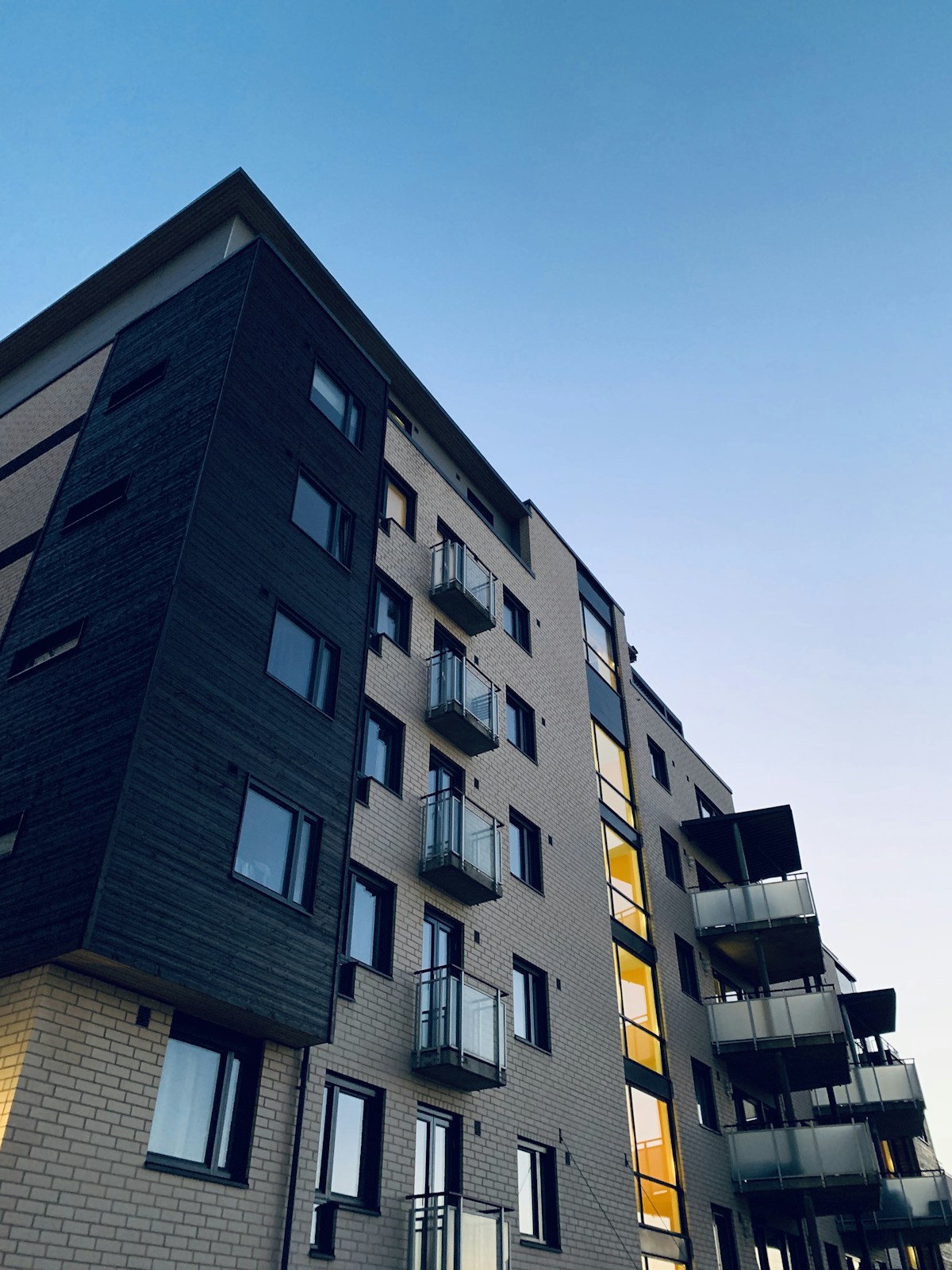
For apartment building owners in Cook County, property taxes are typically the second-largest operating expense after mortgage payments. If you own a multi-unit residential building—whether it is a three-flat in Bridgeport, a six-unit in Rogers Park, or a 20-unit complex in Cicero—and you have never appealed your assessment, you are almost certainly overpaying.
Cook County's classification system treats multi-unit residential properties differently depending on size. Understanding these distinctions and how they affect your assessment is the first step toward meaningful tax relief.
How Cook County Classifies Multi-Unit Residential Properties
Cook County uses a classification system unique in Illinois. Residential properties with six or fewer units fall under Class 2 and are assessed at 10 percent of their estimated market value. Apartment buildings with seven or more units are classified as Class 3 and assessed at 10 percent as well, but the valuation methodology changes significantly.
For Class 3 properties, the Assessor's Office relies heavily on income-based valuation. This means they estimate what your building should earn in rental income, subtract estimated expenses, and capitalize the result to arrive at a market value. The problem is that these estimates often bear little resemblance to your actual operating numbers.
Why Apartment Building Assessments Are Often Inflated
The Assessor's Office uses broad market data to estimate income and expenses for apartment buildings. Several common errors inflate assessments beyond what is justified by actual property performance.
Overestimated rental income: The assessor may assume market-rate rents when your actual rents are lower due to tenant retention strategies, rent-controlled or subsidized units, or neighborhood conditions that suppress rents.
Understated vacancy and collection losses: Real-world vacancy rates and collection losses often exceed the assessor's assumptions, particularly in neighborhoods experiencing economic stress or transitional markets.
Underestimated operating expenses: Older buildings require more maintenance. If your building has aging mechanicals, deferred capital improvements, or higher-than-average utility costs, the assessor's standardized expense ratios will understate your actual costs.
Failure to account for property condition: Buildings with structural issues, code violations, or deferred maintenance may be valued as if they were in average condition.
The Income Approach: Your Strongest Tool
For apartment buildings, the income approach to valuation is your most powerful appeal argument. This requires assembling comprehensive documentation of your building's actual financial performance.
You will need to prepare actual rent rolls showing unit-by-unit rents collected, lease agreements demonstrating rental terms, operating expense statements including maintenance, utilities, insurance, and management fees, documentation of vacancy history and collection losses, and capital expenditure records for major repairs or improvements.
When presented properly, this real-world data almost always supports a lower valuation than the assessor's generalized estimates.
Appeal Strategy for Owners of Multiple Buildings
If you own several apartment buildings across Cook County, a coordinated appeal strategy can maximize savings across your entire portfolio. Each property should be evaluated individually, but common themes—such as neighborhood-wide rent suppression or rising insurance costs—can strengthen individual cases when documented across multiple properties.
Portfolio owners should also pay attention to assessment equity. If one of your buildings is assessed at a significantly higher percentage of market value than comparable buildings nearby, that inequity alone can be grounds for reduction.
Timing Your Appeal
The appeal window depends on your township's schedule within Cook County's triennial reassessment cycle. In reassessment years, you will receive a notice with your new estimated market value and have 30 days to file with the Assessor. After that, the Board of Review opens its own filing period.
Even in non-reassessment years, you can and should file annual appeals. Property conditions change, market rents fluctuate, and operating costs rise. An assessment that was reasonable three years ago may be significantly inflated today.
What to Expect from the Process
Most apartment building tax appeals are resolved within six to eighteen months, depending on the level of appeal. Reductions of 10 to 25 percent are common for well-documented cases. For a building assessed at $500,000, a 20 percent reduction could save $3,000 to $5,000 annually in property taxes.
These savings flow directly to your bottom line, improving cash flow and increasing the building's value for refinancing or sale purposes.
Get Your Assessment Reviewed
If you own apartment buildings in Cook County and want to know whether your assessments are fair, contact Younis Law Group for a complimentary review. We analyze your property's assessment against comparable buildings and actual financial performance to determine whether an appeal is likely to succeed. Our contingency fee structure means you pay nothing unless we reduce your taxes.
Commercial owners can review Younis Law Group's approach to valuation, income evidence, and filing on the commercial property tax appeal service page.
Author

Omar Younis
Managing Partner


