Taxes
Buying at the Cook County Annual Tax Sale and the Redemption Process
The Cook County annual tax sale sells delinquent property taxes to buyers, and owners can redeem before losing the property. Here is how the sale works, how redemption works, and the risks on both sides.
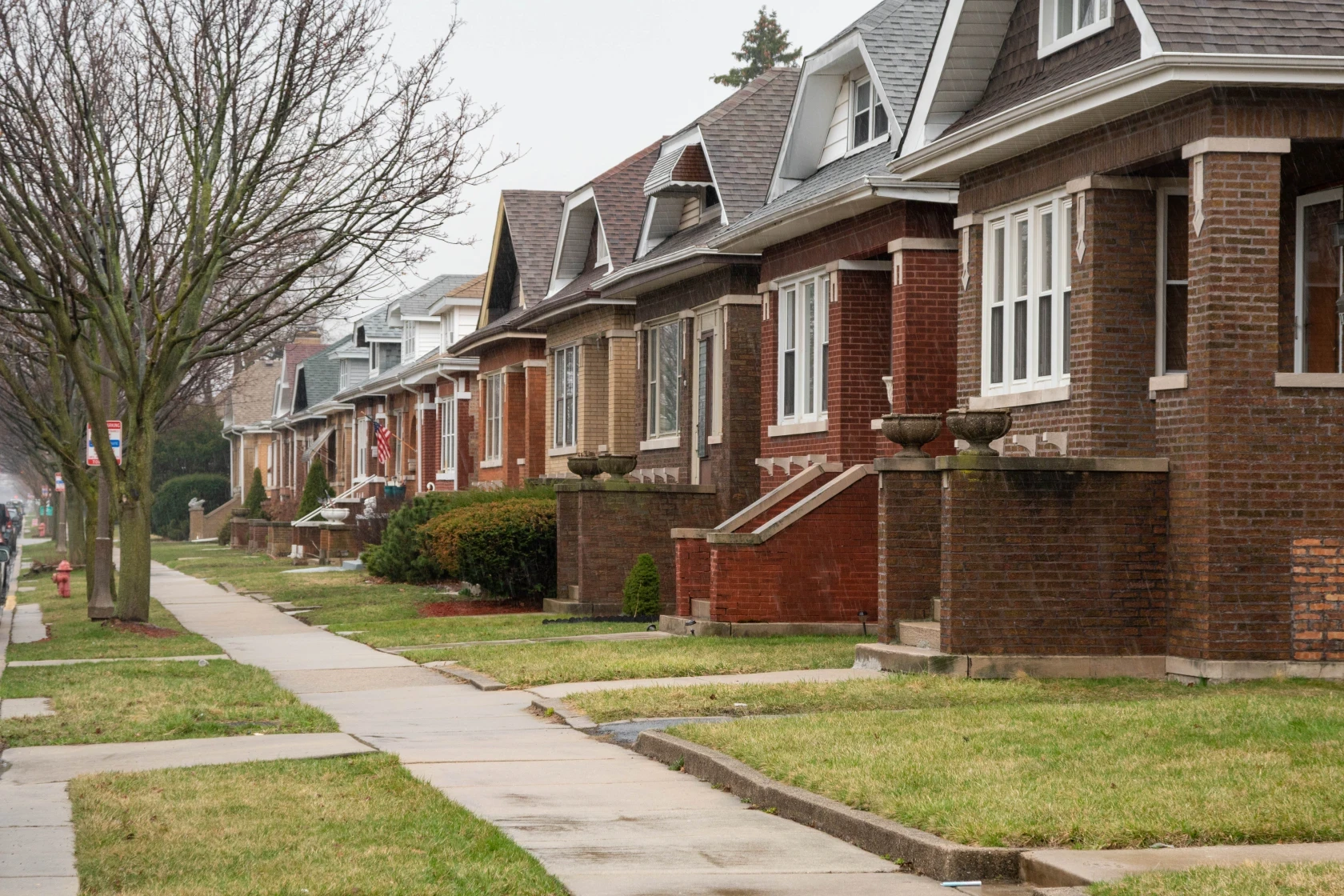
The Cook County annual tax sale is the mechanism by which the county collects delinquent property taxes, and it sits at the center of two very different situations: a property owner trying to keep their home after falling behind, and an investor buying delinquent taxes as a potential return. Understanding how the sale and the redemption process work is essential for anyone on either side, because the stakes include the loss of the property itself.
When a property owner does not pay their property taxes, the unpaid taxes become delinquent, and the county offers them at the annual tax sale. A tax buyer does not buy the property at this stage. The tax buyer pays the delinquent taxes and receives a certificate, along with the right to collect that amount back from the owner, with interest, if the owner redeems. If the owner does not redeem within the statutory period, the tax buyer can eventually petition for a tax deed and take ownership.
How the annual tax sale works
At the sale, tax buyers bid on the delinquent taxes, competing by bidding down the penalty interest rate the owner will have to pay to redeem. The buyer willing to accept the lowest penalty rate wins the certificate. The owner now owes the delinquent taxes plus that penalty rate to redeem, and the clock on the redemption period begins.
The redemption period
Illinois law gives the property owner a redemption period during which they can pay the delinquent amount plus penalties and reclaim clear title. For most owner-occupied residential property, this period extends over a number of years, providing real protection against losing a home over a tax delinquency. To redeem, the owner pays the county the delinquent taxes, the penalty interest, and any additional amounts the tax buyer has paid, such as subsequent years' taxes. Once redeemed, the certificate is satisfied and the owner keeps the property.
The risk to owners
The danger for owners is inattention. A delinquency that goes unaddressed through the entire redemption period can result in the loss of the property to a tax deed. Owners who fall behind should act well before the redemption period ends, because the cost of redeeming rises over time as penalties and subsequent taxes accumulate, and the ultimate consequence of inaction is losing the property entirely.
The risk to tax buyers
For tax buyers, the risks include procedural complexity and the strong protections owners enjoy. Most certificates are redeemed, producing a return rather than a property. For the minority that proceed to a tax deed, the process requires strict compliance with notice requirements, and a misstep can invalidate the deed. The redemption-heavy nature of the system means buyers should treat it as an interest-bearing investment first and a path to ownership only rarely.
When to call a Chicago property tax attorney
Both owners trying to redeem and buyers navigating the certificate process benefit from experienced guidance, because the deadlines are firm and the procedures are unforgiving. Younis Law Group advises Cook County property owners on redemption and represents parties navigating the tax sale process. If your taxes are delinquent or you are involved in a tax sale matter, reach out promptly, because the redemption clock does not stop.
For representation at the county's available review stages, see Younis Law Group's Cook County property tax appeal service.
Author

Omar Younis
Managing Partner


